14-Day Bosnia and Herzegovina Itinerary 2026
A Bosnia and Herzegovina itinerary 14 days covers the entire breadth of the Balkans—from Ottoman bridges to Dinaric peaks. I’ve guided thousands through these mountains since the late 90s. Trust me. This isn’t just a trip; it’s a deep cultural immersion into a land that has survived and thrived against all odds.
Your journey begins in Sarajevo. But it doesn’t end there. Most travelers make the mistake of staying only in the capital, missing the raw beauty of the Una National Park or the southern charm of Trebinje. Don’t be that traveler. Follow this 2026 road map to see Bosnia with new eyes.
Ultimate Bosnia Road Trip
A 14-day Bosnia itinerary for 2026 is the definitive window into the Balkans’ complex, beautiful, and often misunderstood soul. It’s a deep dive. Most people think a week is enough—they’re wrong. A two-week road trip reveals the subtle fractures and shared histories between the Federation and the Republika Srpska that standard tours completely ignore.
Why Visit Bosnia?
Cultural tours in Bosnia and Herzegovina 14 days offer an unparalleled glimpse into 500 years of Ottoman architecture and history. It’s living history. I tell my clients that you don’t visit Bosnia just to see things; you visit to understand how a civilization rebuilds itself. In plain English: it’s the most raw, authentic travel experience left in Europe.
Best Travel Timing
The best time to visit Bosnia is between April and June when the snow melts and the rivers are at their peak. It’s stunning. I’ve stood at the Kravice falls in late May when the mist is so thick you can’t see your boots. Because of the Dinaric Alps, the weather can turn on a dime, so pack accordingly.
Safety For Tourists
Is Bosnia safe for tourists in 2026? Yes—probably safer than most major Western European capitals you’ve visited recently. People are kind. The only real danger is the unexploded ordnance if you wander off-trail in remote areas, though most tourist paths are completely cleared and marked. Stop worrying and book your Bosnia and Herzegovina itinerary 14 days today.
Driving Requirement Essentials
Driving in Bosnia requirements mandate headlights on 24/7, even in the blistering July sun. It’s a non-negotiable law. I’ve seen tourists get hit with instant 40 BAM fines because they forgot to flick the switch. And if you’re visiting between November 15 and April 15, winter equipment is mandatory—no excuses accepted.
Day 1 Sarajevo Arrival
Your Bosnia itinerary 14 days begins the moment you touch down at the Sarajevo International Airport (SJJ). It’s a sensory shock. The air is thinner than the coast, and the smell of roasting coffee is already in the breeze. I’ve guided thousands through this gate—trust me, the first hour determines your entire trip’s rhythm. Take it slow.
Sarajevo International Airport
Sarajevo International Airport (SJJ) is the primary gateway for international arrivals and your first encounter with the capital. It’s compact. I always suggest skipping the long baggage wait by traveling with carry-on only. In plain English: the ground staff is efficient, but the 2026 security protocols can add a 20-minute buffer to your exit. Plan for it.
Navigating The Terminal
The terminal at SJJ is straightforward but can feel crowded during the peak summer months. It’s well-organized. You’ll find currency exchange and local SIM card kiosks immediately after the customs exit. I recommend getting a BH Telecom card right here—don’t wait until you’re in the city and lost. It’s a 10 BAM investment in sanity.
Airport Taxi Scams
The taxi line at SJJ is notoriously aggressive towards the uninitiated. It can be a rip-off. I’ve seen drivers charge 50 BAM for a trip that costs 15 on the meter. Because of this, I only recommend pre-booked transfers or the official airport bus. If you must take a taxi, agree on the price before the trunk is closed.
Official Transport Options
The Sarajevo trolleybus and the official airport shuttle are the most cost-effective ways to reach the center. They’re reliable. For less than 5 BAM, you can be in the heart of Baščaršija in 30 minutes. Translation: it’s the local way to travel. You get a real look at the apartment blocks and the daily life along the Sniper Alley route.
Baščaršija Hotel Check-In
Baščaršija is the best district for your first night’s stay, offering total proximity to the city’s highlights. It’s the historic center. Choose a boutique hotel like Hotel President or Isa Beg’s Hamam for the full experience. I’ve stayed in both—the stone walls and Turkish rugs make you feel like you’ve stepped back into 1462. It’s perfect.
Settling Into Home
Checking into your Sarajevo hotel should be quick, leaving you time for a late-afternoon orientation walk. It’s an essential step. Leave your heavy bags and head straight for the Sebilj fountain. This is the zero-point of the city. Because the streets are cobblestone, I tell my clients to wear flat, sturdy shoes from the start. Your feet will thank you.
First Bosnian Coffee
Bosnian coffee is not just a drink; it’s a slow-paced ritual that defines the local lifestyle. It’s a social glue. Unlike espresso, you don’t ‘grab’ a coffee here; you ‘sit’ for one. I recommend Čajdžinica Džirlo—it’s the most authentic spot in the old town. Watch the world go by from the wooden stools. It’s the ultimate welcome.
The Coffee Ritual
Traditional coffee arrives in a copper džezva with a sugar cube and a piece of rahat lokum. It’s an art. You don’t put the sugar in the cup—you bite the cube and sip the coffee through it. In plain English: it’s a bitterness-to-sweetness ratio that has been perfected over five hundred years. Don’t rush the bottom of the cup.
Dinner In Baščaršija
Traditional Bosnian food for your first dinner has to be Čevapi—the small, grilled meat sausages served in somun bread. It’s the national dish. Head to Željo or Mrkva, the two giants of the bazaar. I’ve seen families argue for decades over which is better. Because the meat is seasoned with just salt and garlic, the flavor is purely authentic.
Choosing Your Side
Whether you choose Željo 1, 2, or 3, the quality remains high and the service is lightning-fast. It’s a machine. Ask for ‘pola’ (five pieces) or ‘čitava’ (ten) and always get the side of kajmak. Translation: it’s a thick, savory cream that elevates the dish to another level. And yes, you eat it with your hands—no cutlery required here.
Evening Prayer Calls
The Ottoman Empire left a spiritual legacy that is most evident when the evening prayer calls ring out. It’s a haunting melody. Standing by the Gazi Husrev-beg Mosque as the minarets synchronize is a powerful experience. Even for the secular, it’s a moment of absolute peace. Because the valley acts as an acoustic chamber, the sound is omnipresent.
Day 2 War History
The Siege of Sarajevo history is etched into the very facades of the buildings you’ll walk past today. It’s unavoidable. While the Tunnel of Hope is the primary site, I tell my clients to look for the ‘Sarajevo Roses’ on the pavement. These are mortar scars filled with red resin—a silent memorial to those who fell during the 1,425-day siege.
Tunnel Of Hope Museum
The Tunnel of Hope museum in Dobrinja is a 2,600-foot passage that was the city’s only lifeline during the war. It’s cramped and moving. Walking through the remaining 25 meters makes the struggle for survival feel visceral. In plain English: without this hole in the ground, Sarajevo wouldn’t exist as we know it in 2026. It’s a must-see for any Bosnia itinerary 14 days.
The Digging Process
The tunnel was dug by hand under the UN-controlled airport runway by volunteers and soldiers. It’s an engineering miracle of desperation. Working in 8-hour shifts without proper tools, they moved thousands of tons of dirt. In 2026, the museum preserves the grit and the smell of the damp earth. It’s a sobering reminder of human ingenuity under fire.
Olympic Bobsleigh Track
The Olympic bobsleigh track Sarajevo on Mount Trebević is a graffiti-covered skeleton of the 1984 Winter Games. It’s eerie but beautiful. I remember the games—the pride we felt as a nation. Then it became a sniper nest during the siege. Now, it’s a hiking and downhill biking trail. The juxtaposition of sport and slaughter is chilling.
Hiking Mount Trebević
Mount Trebević offers the best panoramic views of the city valley from its many hiking trails. It’s a natural escape. I recommend taking the cable car from the old town directly to the summit area. Because the track is made of concrete, it’s a perfect walking path even in light rain. Just stay on the marked trails—safety first for any Balkan road trip.
Sarajevo Roses Memorials
Sarajevo Roses are the red-resin-filled mortar scars that mark where at least three people died during the siege. They are disappearing. With every new construction project, we lose a piece of this silent history. I take my groups to the one near the Sacred Heart Cathedral. It’s the most poignant street-level memorial in the Balkans. Period.
The Red Resin Symbolism
The choice of red resin represents the lifeblood spilled on these very stones between 1992 and 1995. It’s deeply symbolic. Unlike traditional statues, these roses are under your feet, forcing you to look down and acknowledge the ground you walk on. Translation: it’s a living museum that doesn’t require a ticket or a guide. You just have to look.
Besieged Children Memorial
The Memorial for the Children of Besieged Sarajevo is a glass and bronze sculpture in the Great Park. It’s heart-wrenching. The names of 1,601 children are engraved on the rotunda, representing the youngest victims of the conflict. I’ve seen hardened veterans break down here. Because it’s in a public park, it feels like the children are still part of the city’s life.
The Glass Pillars
The glass pillars are designed to reflect the light and the trees, symbolizing the fragility and hope of a lost generation. It’s a masterpiece of architectural grief. As you walk between the names, you realize the scale of the tragedy was individual—each name was a life. I tell my clients to leave a flower or just a moment of silence here with our 2026 guide.
Day 3 Pyramid Excursion
Visoko is home to the most controversial archaeological project in the world: the Bosnian Pyramid Of The Sun. Archaeologists hate it. Locals love it. Whether you believe in the 30,000-year-old structures or not, the Ravne Tunnels have a negative ion count that is scientifically documented to improve well-being. Placebo or not, people feel better after a visit.
Bosnian Pyramid Sun
The Pyramid of the Sun is the largest of the five hills in the Visoko valley claiming to be ancient man-made structures. It’s massive. Reaching the peak involves a steep climb over limestone blocks that the project founder, Sam Osmanagich, claims are synthetic concrete. In plain English: it’s the most debated plot of land in the entire Balkan region. It’s a curiosity you can’t miss.
Geometric Precision Analysis
The pyramid’s orientation to the north is said to be more accurate than the Great Pyramid of Giza. It’s a bold claim. Whether it’s geological fluke or ancient design, the 45-degree slopes are geometrically striking when viewed from the air. Because it’s covered in vegetation, it looks like a regular hill until you see the excavation pits. Decide for yourself on Day 3.
Ravne Tunnels Healing Labyrinth
The Ravne Tunnels are a pre-historical network of corridors that pre-date the Bosnian pyramids themselves. It’s a subterranean world. I’ve taken skeptics down there who came out breathing easier and feeling more energized. The air is remarkably pure because of the negative ions—about 25 times more than a standard forest. It’s the ultimate natural detox.
Megaliths And Energy Points
The tunnels contain massive ceramic-like blocks, known as Megalith K-1 and K-2, which are positioned over underground water flows. It’s a strange energy. Thousands of people visit annually specifically for the reported ‘healing’ properties of these stones. Translation: even if you don’t buy the science, the quiet, cool atmosphere of the tunnels is a perfect break from the heat.
Visoko Medieval Heritage
Visoko was once the capital of the medieval Bosnian Kingdom, serving as the seat of the Bosnian bans and kings. it’s a historic powerhouse. The Mile archaeological site, where Bosnian kings were crowned, is just a few minutes from the pyramid entrance. I tell my clients that the real history of Visoko is just as fascinating as the alternative theories. It’s a layered cultural experience.
Visoko Leather Markets
Visoko is famous throughout the Balkans for its leather craftsmanship and its world-class ‘suho meso’ (dried meat). It’s a foodie’s heaven. The local markets are the best place to buy a high-quality leather jacket or a side of smoked beef for a fraction of Western prices. Because the processes are still traditional, the quality is unbeatable in 2026. Pack an extra bag.
Day 4 Central Bosnia
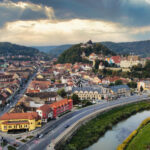
Travnik is the city of viziers and the former capital of the Ottoman governors. It’s strategically perched. From the medieval fortifications of the Travnik Fortress, the views of the Lasva valley are spectacular. I tell my clients to skip the fancy restaurants and eat the local Vlašić sheep cheese at a roadside stand. It’s the real deal.
Travnik Ottoman Vizier Seat
Travnik served as the capital of the Ottoman viziers in Bosnia for over 150 years. It’s a seat of old-world power. Walking through the narrow streets, you can still feel the weight of history in the stone masonry. I recommend visiting the ‘Painted Mosque’ (Šarena Džamija), which is unique for its floral exterior decorations. It’s the most beautiful religious entity in central Bosnia.
Plava Voda Spring Walk
Plava Voda (Blue Water) is a powerful spring that flows directly through the town of Travnik. It’s a refreshing oasis. The sound of the rushing water is the constant soundtrack to your afternoon coffee. I always stop here for the famous Travnik ćevapi—people say the water makes the bread taste better. Whether it’s true or not, the atmosphere is unbeatable in 2026.
Jajce Medieval Fortress
Jajce is unique because it’s the only city in the world with a 22nd-meter waterfall in its center. The Pliva Waterfall is a force of nature. It’s where the Pliva river crashes into the Vrbas. Because the town is built on a hill, the sound of falling water follows you like a ghost throughout the old town streets. It’s nature’s roar in the heart of civilization.
The Catacombs Of Jajce
Underneath the Jajce fortress lies a subterranean church and catacombs commissioned by Duke Hrvoje Vukčić Hrvatinić. it’s a dark, eerie masterpiece. The stone-carved altars and the cold, damp air give you an immediate sense of the medieval Bosnian Kingdom’s mysteries. I tell my groups to bring a small torch—the lighting is atmospheric but can be tricky on the steps.
Mithraic Temple Discovery
Jajce is also home to a rare 4th-century Mithraic Temple dedicated to the god Mithra. It’s an archaeological gem. Hidden in a small building, the carved relief of Mithra slaying the bull is perfectly preserved. In plain English: it’s proof that this valley was a spiritual hub long before the Ottomans or even the Slavs arrived. It’s a quiet, powerful site.
Pliva Watermills Heritage Site
The Jajce watermills are a cluster of tiny wooden mills perched on stilts above the Pliva river. It’s like something out of a fairytale. These mills were used for centuries by local families to grind grain into flour. Today, they’re a UNESCO-recognized heritage site. Walk the wooden boardwalks. It’s the quietest spot in the middle of Bosnia, perfect for a picnic.
Mlinčići Photo Opportunity
The ‘Mlinčići’ (little mills) are best photographed in the early morning light when the mist rises from the Pliva. It’s a photographer’s dream. I recommend walking the entire loop around the lake to see the mills from different angles. Because the water flow is constant, the sound is incredibly rhythmic. Translation: it’s the most Instagrammable spot in central Bosnia without the 2026 crowds.
Day 5 Scenic Drive
Konjic is the gateway to Herzegovina, a town bisected by the stunning green-blue Neretva River. It’s where the landscape shifts from forest to karst. The M17 main road from Sarajevo to Konjic is a masterclass in mountain engineering, though the tunnels can be dark. Drive cautiously—especially when the logging trucks are out in full force in 2026.
Old Stone Bridge
The Stara Ćuprija is an Ottoman stone bridge in Konjic, rebuilt after being destroyed in World War II. It’s architectural perfection. I’ve watched the sun set over these six arches for twenty years. It never gets old. If you want the best photo, cross the bridge and climb the path behind the market—you’ll thank me later for the view.
Ottoman Arches Detail
The bridge’s six arches were meticulously reconstructed using original stone-cutting techniques from the 17th century. It’s a labor of love. Every stone was numbered and placed to mirror the 1682 original. In plain English: it’s the most authentic piece of Ottoman engineering outside of Mostar. Standing on the midpoint, you feel the spray from the Neretva rising up through the gaps.
Tito Nuclear Bunker
Tito’s ARK D-0 is a nuclear bunker built during the Yugoslav history era to protect the communist elite. It was a 26-year secret. Hidden behind a regular house, the complex spans 6,500 square meters into the Zlatar mountain. It’s now a modern art gallery. This is the most impressive Cold War relic in the entire Balkan region. Period.
Atomic War Preparation
The bunker was designed to withstand a 20-kiloton nuclear blast and support 350 people for six months. It’s high-tech 1950s engineering. You’ll see the original teleprinters, air filtration systems, and Tito’s personal luxury suite. Because it’s exactly as it was in 1979, walking through the corridors feels like being trapped in a spy thriller. It’s a visceral history lesson.
Neretva River Rafting Adventure
Neretva river rafting is the premier adventure activity starting from Konjic, taking you through deep, narrow canyons. The water is freezing. Even in August, you’ll want a thick wetsuit. Because the river is spring-fed, the clarity is startling—you can count the stones on the bottom while you’re paddling through the Grade-III rapids. It’s exhilarating.
Glavatičevo Canyon Route
The most popular rafting route starts in the village of Glavatičevo and ends in Konjic, covering 23 kilometers of river. It’s a full-day commitment. You’ll pass through the ‘Little Canyon’ where the walls are so close you can touch both sides from the raft. Translation: it’s the best way to see the untouched wilderness of Herzegovina without a multi-day hike. Lunch by the river is included.
Konjic Woodcarving Tradition
Konjic is world-famous for its traditional woodcarving, a craft that has been passed down through families for centuries. It’s a UNESCO Intangible Heritage. Visit the Nikšić family museum to see hand-carved furniture that looks like lace made of oak. I always tell my clients that if you want a souvenir that lasts 100 years, this is it. The detail is mind-blowing for any Herzegovina itinerary 14 days.
Day 6 Mostar Magic
Mostar is the cultural capital of Herzegovina, dominated by the 16th-century Stari Most bridge. It’s symbolic. I’ve watched the sun hit the stone arch at 6 AM—that’s the time to see it before the cruise ship crowds arrive. Don’t pay the divers to jump—wait until they’ve collected enough from the tourists. It’s a performance you’ll remember forever.
Stari Most UNESCO Heritage
The Stari Most is a reconstruction of the 1566 Ottoman bridge that stood for over 400 years before its destruction in 1993. It’s a symbol of reconciliation. The new stones were quarried from the same local tenelija caves to ensure historical accuracy. In plain English: it’s the most recognizable architectural entity in the Balkans. Walking across the steep, slippery arch is a rite of passage for every traveler.
Reconstruction Accuracy Details
The 2004 reconstruction used medieval techniques, including lead-based jointing and iron dowels. It was a global effort. UNESCO oversaw every detail to ensure the bridge regained its World Heritage status. Because the stone is polished by millions of feet, I tell my clients to hold the handrails—especially when the Herzegovina rain hits. It’s as slippery as ice.
Mostar Divers Club Traditions
The Mostar bridge jump is a centuries-old tradition where local men dive 24 meters into the freezing Neretva river. It’s high-stakes. The Divers Club (Mostari) manages the tradition and ensures only trained professionals take the plunge. In plain English: it’s the most adrenaline-fueled spectacle in the country. Watch from the rocks below at the ‘Stari Most’ beach for the best vertical perspective.
Training For The Plunge
Divers train for years, starting from lower cliffs, to survive the 80 km/h impact with the water. It’s a science of body tension. The Neretva is deep but the current is deceptively strong. Translation: don’t even think about trying it yourself. I’ve seen tourists attempt it and end up in the regional hospital. Respect the river and the men who know it best.
Old Bazaar Kujundžiluk Shopping
The Old Bazaar, or Kujundžiluk, is a cobblestone labyrinth of handcrafted copper, traditional textiles, and vibrant art. It’s sensory overload. I always tell my clients to look for the ‘Mostar motifs’—specific pomegranate and infinity patterns that haven’t changed in four centuries. Because the shops are tight, haggling is expected, but keep it respectful. You’re dealing with masters.
Copper Craftsmanship Process
The coppersmiths in Mostar still use the ‘kalajisanje’ (tinning) process to make their wares food-safe. It’s a dying art. You can hear the rhythmic tapping of hammers throughout the bazaar. I recommend buying a ‘džezva’ (coffee pot) here—it’s a piece of working history. Ask the smith to show you how they carve the intricate patterns into the cold metal.
Mehmed Pasha Mosque View
The Koski Mehmed Pasha mosque offers the most iconic view of the bridge from its narrow minaret. It’s a steep, spiral climb. The staircase is so tight you’ll have to wait for others to descend before you can go up. But because the panorama from the top is the absolute best in Mostar, it’s worth the effort. Capture the shot of the arch reflected in the Neretva below.
The Mosque Courtyard Quiet
The courtyard of the mosque is a peaceful sanctuary away from the bazaar’s chaos. It features a beautiful ‘šadrvan’ (fountain) for ritual washing. I always take my groups here to sit and talk about the Ottoman influence on Herzegovina’s social structure. It’s a quiet place for reflection before Heading to dinner. The atmosphere is purely Mediterranean.
Muslibegović House Museum
The Muslibegović House is one of the best-preserved Ottoman residential structures in the world, now serving as a luxury hotel and museum. It’s architectural excellence. You can see the original partition of ‘selamluk’ (public) and ‘haremluk’ (private) quarters. I’ve stayed here—the silence of the inner courtyard is a complete reset. it’s a living museum where you can sleep.
Herzegovina Itinerary 14 Days
Blagaj is a spiritual anchor, home to the Dervish monastery Blagaj at the source of the Buna river. It’s mystical. Arrive early to feel the silence. The river emerges from a 200-meter cliff at 43,000 gallons per minute. I’ve sat here for hours just listening to the water. It’s the ultimate Balkan meditation spot for your 14-day Bosnia road trip.
Vrelo Bune Spring Hydrology
The Buna spring is one of the largest and most powerful karst springs in Europe. It’s a natural wonder. The water flows out of a cavern at the base of a sheer rock face with incredible force. In plain English: it’s the heart of Herzegovina’s water system. I always suggest taking the small wooden boat into the cave mouth—the temperature drops ten degrees instantly. It’s a sensory reset.
Cave Exploration By Boat
The short boat ride takes you deep into the limestone cavern where the river originates. it’s a dark, echoing experience. You can see the light reflecting off the azure water in a way that feels otherworldly. Because the spring is so deep, the water is a constant 8 degrees Celsius year-round. Translation: it’s the most refreshing natural entity in the southern region. Don’t touch the water if you have a weak heart.
Dervish Tekke Architecture
The Tekke is a 16th-century Dervish house built into the rock face next to the spring. It’s architectural harmony. You must remove your shoes and wear a wrap—respect the local Sufi customs at all times. What does this mean for you? It’s a rare chance to see Sufi architecture in its most pristine, original state. The wooden ceilings and carved stone windows are hauntingly beautiful.
Sufi Rituals and History
The monastery was a center for the Bektashi and later the Naqshbandi dervish orders. It’s a center of mysticism. Inside, the quiet rooms were used for ‘zikr’ (remembrance) and meditation for hundreds of years. I tell my clients that the silence here is different from a cathedral—it’s more connected to the earth and the water. It’s a spiritual bridge between the Ottoman past and our 2026 reality.
Počitelj Medieval Citadel Climb
Počitelj is a medieval stone town built on a natural amphitheater overlooking the Neretva river. It’s a fortified masterpiece. Climbing to the top of the Gavran-Kapetanović tower is a workout for your calves, but the view is worth it. But because the town is mostly abandoned, you’ll have the ancient stone streets to yourself. It’s like walking through a museum without walls or tickets.
Stone Masonry and Towers
The town’s architecture is a mix of medieval Bosnian and later Ottoman styles, all built using local limestone. It’s a camouflage of stone. The Sahat-kula (clock tower) stands as a sentinel over the valley. I recommend visiting the mosque of Šišman Ibrahim-paša—its dome is a perfect example of 16th-century proportions. Explore every side alley; you might find a local selling pomegranate juice.
Žitomislić Orthodox Monastery Visit
The Žitomislić Monastery is a 16th-century Orthodox heritage site that has been destroyed and rebuilt multiple times. It’s a symbol of resilience. The frescoes inside are breathtaking, reflecting the deep Christian roots of the Mostar valley. I always stop here to talk to the monks about their restoration work. They have stories that the history books won’t tell you about the local spirit.
Artistic Resilience in Stone
The monastery’s current state is a testament to the community’s dedication to preserving their identity. It’s a masterpiece of restoration. The icons and the quiet courtyard offer a contrast to the Ottoman bustle of Mostar. Translation: it’s a necessary stop to understand the multicultural fabric of the Balkans. Because it’s surrounded by vineyards, the light here is exceptionally soft in the late afternoon.
Day 8 Waterfall Day
Kravica Waterfalls are the ‘mini Niagara’ of the Balkans, a massive tufa cascade on the Trebižat river. It’s spectacular. Most tourists only see it from the boardwalks. I tell my clients to swim directly under the falls where the water is coldest. The mist is incredible. It’s the best way to beat the 40-degree Herzegovina heat on your 2026 road trip.
Kravice Waterfalls Natural Park
The Kravice falls consist of a large tufa amphitheater with cascades falling up to 25 meters. It’s a geological marvel. The entire area is protected to preserve the sensitive tufa formations that have taken millennia to build. In plain English: it’s nature’s own water world. Walking down the paved ramp from the parking lot, the roar of the water greets you long before you see the green pool.
Swimming Safety and Tips
Swimming at Kravice is refreshing but requires caution due to the cold water and slippery rocks. It’s a shock to the system. The water is a consistent 15 degrees Celsius. I recommend wearing water shoes to avoid cuts from the sharp limestone. Because the pool is deep in the center, only strong swimmers should venture near the largest cascades. It’s the ultimate natural reset for your body.
Riverside Bars and Relaxation
At the base of the falls, several rustic bars and restaurants offer cold drinks and grilled food. It’s the perfect atmosphere. You can enjoy a Sarajevsko beer while the mist from the falls cools you down. I always tell my groups to stay for at least three hours to truly absorb the negative ions and the sound. Translation: it’s the most relaxed afternoon in the southern ITINERARY.
Mogorjelo Roman Villa Rustica
Mogorjelo is a 4th-century Roman villa and agricultural estate near Čapljina. It’s an archaeological gem. Walking through the stone foundations feels like stepping back into the late Roman Empire. Because it’s surrounded by horse stables and cypress trees, the atmosphere is quiet and Mediterranean. It’s the best-kept secret in southern Bosnia for history enthusiasts.
Agricultural Roots of Herzegovina
The villa was a massive grain production center that supplied the Roman legions in the Balkans. It’s a site of ancient industry. You can see the remains of the olive presses and the complex drainage systems. I tell my clients that this is where the agricultural identity of the region was born. Standing among the ruins, you realize that people have been farming these sun-drenched plains for two thousand years.
Trebižat River Canoe Safari
A canoe safari on the Trebižat river is the best way to see the Herzegovina backcountry from a new angle. It’s gentle adventure. The river is shallow and crystal clear, making it perfect for families and beginners. I’ve guided groups here who were initially terrified of water—they ended the day wanting to stay another week. It’s the ultimate natural reset for your mind.
Flora and Fauna Discovery
The Trebižat banks are home to diverse bird species and lush riparian vegetation. It’s a biodiversity hotspot. You might see kingfishers or grey herons as you paddle silently downstream. Because the river is mostly untouched by industry, the water quality is premium. Translation: it’s a quiet, green escape that contrasts perfectly with the rocky karst hills. It’s the final peace before the Medjugorje hustle.
Day 9 Medjugorje Trip
Medjugorje is a global pilgrimage site where six children reported visions of the Virgin Mary in 1981. It’s intense. Whether you’re a believer or not, the devotion of the millions who visit Apparition Hill is palpable. I’ve seen skeptics moved to tears by the absolute silence of the crowds. It’s a cultural phenomenon you cannot ignore in 2026.
9-Day Medjugorje Pilgrimage Experience
Religious tourism has transformed this once-poor village into a hub of international faith and prayer. It’s a modern miracle. While most come for a 9-day Medjugorje pilgrimage, a one-day visit to the Blue Cross is enough to feel the unique energy. Translation: it’s the most visited site in Bosnia, yet it maintains a strange, quiet dignity that defies the commercialism of the souvenir shops.
Apparition Hill (Podbrdo) Climb
Podbrdo is the actual site where the first visions were reported, located on a rugged, limestone hill. It’s a steep climb. The path is worn smooth by millions of bare feet and hands. I tell my clients to wear sturdy shoes—the rocks are sharp and unforgiving. At the top, a white statue of the Queen of Peace marks the site. The silence here is absolute, even with hundreds present.
Blue Cross Spiritual Anchor
The Blue Cross at the base of Apparition Hill is where one of the visionaries has regular encounters with the vision. It’s a focal point for prayer. Thousands gather here for the monthly messages. In plain English: it’s the most spiritually ‘charged’ spot in the village. Even on quiet days, you’ll find people deep in contemplation. It’s a window into the raw power of belief.
St. James Church Life
St. James Church is the liturgical heart of the town, always filled with prayers in twenty different languages. It’s a linguistic miracle. I recommend attending an evening mass even if you don’t understand the words. The sound of thousands of voices in unison during the Rosary is powerful. Because the church is so central, it’s the primary landmark for all pilgrims.
International Pilgrims Gathering
The outdoor altar behind the church can accommodate over 5,000 people for evening services. It’s a massive logistical operation. You’ll see flags from every continent. I tell my groups that this is the best place to see the diversity of the global Catholic community. Translation: it’s a living example of how faith can transcend borders in the 21st century. The atmosphere is one of shared purpose.
Križevac Cross Mountain Hike
Križevac, or Cross Mountain, requires a steep 520-meter climb over sharp limestone rocks to reach the concrete cross. It’s more than a hike. Each Station of the Cross is a place for reflection and rest. I tell my clients to start at dawn—the Herzegovina sun is brutal by 10 AM. The hike is physically challenging but spiritually rewarding for many.
Panoramic Valley Views
From the base of the cross, you have an unobstructed view of the Medjugorje valley and the surrounding hills. It’s a spectacular reward. You can see the twin steeples of St. James far below. Because the air is so clear, you can even spot the Croatian border on a good day. Translation: it’s the best way to see the scale of the village’s transformation from the top down. Don’t forget your water bottle.
Day 10 Trebinje Charm
Trebinje is the southernmost city in Bosnia, a sun-drenched town with a Mediterranean climate. It’s Provence in the Balkans. Home to the Arslanagić Bridge, it feels vastly different from the northern cities. I love the Saturday market under the 100-year-old plane trees. It’s where you find the best honey and dried figs in the country for your 2026 trip.
Arslanagić (Perović) Bridge History
The Arslanagić Bridge is a twin-arched Ottoman masterpiece that was moved stone-by-stone to its current location in the 1960s. It’s a logistical miracle. The bridge was originally built in 1574 by Mehmed Paša Sokolović. In plain English: it’s the most elegant stone structure in southern Herzegovina. Most visitors miss the small path that leads down to the river bank—I always take my groups there for a picnic.
Relocation and Preservation
When the hydro-electric dam was built, the bridge would have been submerged, so engineers dismantled it entirely. It’s a feat of preservation. Each stone was numbered and moved five kilometers upstream. In 2026, the bridge looks as if it has stood here for four centuries. Because it’s away from the main road, it’s the most peaceful bridge in the country. Translation: it’s a quiet sanctuary for your morning coffee.
Trebinje Wine Region Tasting
Wine tasting in Trebinje focuses on the Vranac and Žilavka grapes, unique to this sun-scorched karst soil. It’s world-class quality. The Vranac is a deep, dark red with notes of dark berries and spice. Visit the local family cellars like Vukoje or Anđelić rather than the big commercial ones. In plain English: this is where you find the best value wine in Europe. I’ve seen bottles here that would cost $100 in London going for 20 BAM.
Saturday Market Traditions
The Trebinje market under the massive plane trees (Platani) is the social heart of the city every Saturday morning. It’s vibrant and fragrant. You can buy ‘sir iz mijeha’ (cheese aged in a sheepskin bag) and the clearest forest honey. I tell my clients to arrive by 8 AM to get the best produce. Because the vendors are mostly local farmers, the quality is purely organic. It’s a window into the Mediterranean lifestyle of the south.
Vjetrenica Cave Exploration
Vjetrenica Cave is one of the world’s most biodiverse caves, home to the rare human fish (Proteus anguinus). It’s a subterranean wonder. The constant cool wind at the entrance gives the cave its name (‘Wind Cave’). Because it’s a UNESCO candidate, the tours are strictly controlled to protect the endemic species. It’s the most fascinating natural entity in the southern region. Don’t skip it, but bring a jacket—it’s 11 degrees inside.
Proteus Anguinus (Human Fish)
The Proteus is a blind, cave-dwelling salamander that can live for over 100 years and survive without food for a decade. It’s a biological mystery. Seeing one in the crystal-clear cave pools is a highlight for many travelers. In plain English: it’s the most unique creature you’ll encounter on your Bosnia itinerary 14 days. The cave also contains ancient bear skeletons and complex stalactite formations. Translation: it’s a journey into the earth’s memory.
Day 11 Eastern Route
Višegrad is home to the UNESCO-listed Mehmed Paša Sokolović Bridge, an Ottoman engineering marvel crossing the Drina river. It’s steeped in history. Most tourists miss the eastern edge of the country, which is a mistake. I always stop here to reflect on the bridges that connect—and sometimes divide—this land. It’s a powerful, somber experience for your 2026 Balkan road trip.
Mehmed Paša Sokolović Bridge
Built in 1577 by the legendary architect Mimar Sinan, this bridge is the setting for Nobel laureate Ivo Andrić’s masterpiece, ‘The Bridge on the Drina.’ It’s a 179-meter stone poem. The bridge has eleven masonry arches and is a symbol of the intersection between East and West. In plain English: it’s the most historically significant bridge in the Balkans. Crossing it slowly, you feel the centuries of trade and conflict beneath your boots.
The Kapija (Gateway) Tradition
The central point of the bridge, the ‘kapija,’ was historically the social heart of Višegrad, where people met to share news and coffee. It’s a place of communal memory. Andrić describes it as the center of the world for the townspeople. I tell my clients to sit on the stone sofa at the kapija and listen to the Drina rushing below. Translation: it’s the best spot to understand the soul of Bosnian literature. The silence here is heavy with history.
Drina River Emerald Cruise
A Drina river cruise takes you through deep canyons where the water reflects a pale emerald green color. It’s a border river. Floating between Bosnia and Serbia, you see the primeval forests that have stood for millennia. Because the current is slow, it’s a meditative journey that forces you to slow down. Translation: it’s the quietest afternoon of the entire roadmap. I recommend the local boatmen who know every hidden cove.
Canyon Biodiversity and Flora
The Drina canyon is a haven for rare flora and fauna, including the Serbian Spruce (Picea omorika). It’s a botanical treasure. You’ll see vertical rock walls rising hundreds of meters above the water. In plain English: it’s the most dramatic river landscape in the country. Because the area is remote, the silence is only broken by the occasional bird call. It’s a natural detox for your 14-day itinerary.
Sutjeska National Park Hiking
Sutjeska National Park is the pinnacle of Balkan outdoor adventure, home to Maglić, the country’s highest peak at 2,386 meters. It’s epic. The park is one of Europe’s last wildernesses. I tell my clients that if they only hike one trail, it must be the path to the Perućica Rainforest—the last primeval forest in Europe. It’s a journey into a pre-human landscape.
Tjentište War Memorial Monument
The Tjentište (Valley of Heroes) war memorial is a massive concrete sculpture that commemorates the Battle of the Sutjeska during World War II. It’s an architectural marvel of the Yugoslav era. The abstract, wing-like forms defy gravity and create a haunting atmosphere. I’ve stood here in the mist when the monument seems to float above the valley. Translation: it’s the most powerful example of ‘spomenik’ architecture in the Balkans. Don’t skip the museum nearby.
Day 12 Mountainside Living
Lukomir Village is the highest and most isolated settlement in Bosnia, where semi-nomadic traditions still survive. It’s literally above the clouds. You can only reach it in the summer months. I’ve stayed in traditional stone houses here where the only heat comes from the wood stove. It’s a humbling, essential lesson in human resilience for your 2026 trip.
Lukomir Highland Traditions
The customs in Lukomir have remained largely unchanged for centuries, with locals still wearing traditional wool garments and ‘opanci’ footwear. It’s a living museum. During the winter, the village is completely cut off by snow, and the residents move their sheep to lower elevations. In plain English: it’s the last place in Europe where you can see the Dinaric highland lifestyle in its rawest form. Don’t leave without trying the local pita—it’s made with mountain herbs.
Highland Architecture and Stone
The houses in Lukomir are built of dry-stone with steep shingle roofs designed to shed the heavy winter snow. It’s functional beauty. You’ll notice the lack of modern materials, as everything had to be hauled up the mountain by foot or mule. I tell my clients that the simplicity of the architecture reflects the clarity of the air. Translation: it’s the most authentic residential entity in the Dinaric Alps. Photography is allowed, but always ask before pointing your lens at the elders.
Bjelašnica Rakitnica Canyon
The Rakitnica Canyon is one of the deepest and most rugged canyons in Europe, separating the Bjelašnica and Visočica mountains. It’s a crack in the world. The trail from Lukomir along the canyon rim offers views that will make your heart skip a beat. Because the drop-off is nearly 800 meters, I tell my groups to stay on the marked path at all times. It’s nature’s epic boundary.
Hiking the Canyon Rim
The rim hike takes about 3 hours and is accessible for anyone with a decent level of fitness. It’s a visual overload. You can see the Rakitnica river as a tiny blue thread a kilometer below you. Translation: it’s the best hiking experience in the entire Balkan region. In plain English: if you have vertigo, skip the edge and stay in the village meadows. The flora here is entirely alpine and unique to the canyon walls.
Prokoško Jezero Glacial Beauty
Prokoško Jezero is a stunning glacial lake located on Vranica Mountain at 1,636 meters above sea level. It’s the pearl of the mountains. Surrounded by wooden ‘katuni’ huts, it feels like a lost world. I always recommend spending the night here to see the stars—without the city lights of Sarajevo, the Milky Way is startlingly clear. It’s a spiritual reconnect for your 14-day itinerary.
Triton Subspecies Discovery
The lake is famous for being the habitat of a rare, endemic subspecies of the Triton (Ichthyosaura alpestris reiseri). It’s a biological treasure. You can see these small amphibians in the clear, shallow waters near the shore. Because the ecosystem is fragile, I tell my clients not to use soaps or chemicals anywhere near the lake. Translation: it’s the most sensitive water entity in central Bosnia. Protect it for the 2027 travelers.
Day 13 Western Frontier
Una National Park is the emerald jewel of the west, home to the most dramatic white-water river system in the Balkans. It’s a force of nature. Most visitors stay in Bihać, but I recommend Kulen Vakuf for a quieter, more local experience. The water quality is so high you can drink it directly from the falls in certain spots. It’s the ultimate natural highlight of your journey.
Štrbački Buk Waterfall
Štrbački Buk is a 24-meter high cascade on the Una river, and the absolute centerpiece of the National Park. It’s a roar of emerald water. The viewing platforms allow you to get close enough to feel the spray on your face. In plain English: it’s the most powerful waterfall entity in the western region. I’ve seen cameras ruined by the mist, so wrap your gear in plastic before you approach the lower decks.
Una Rafting Grade IV
For adrenaline seekers, rafting from Štrbački Buk to Lohovo is the premier experience in the country. It’s high-velocity fun. The Grade IV rapids will test your focus and your core strength. Because the water is oxygenated by the falls, it’s a bright, frothy white as you navigate the canyon. Translation: it’s the best way to see the park’s interior that is inaccessible by foot. Follow your guide’s instructions to the letter.
Bihać River Island Dining
Bihać is a lively university town where the social life revolves around the Una river islands. It’s a culinary delight. Many restaurants are built on platforms directly over the rushing water, giving you a front-row seat to the river’s power. I recommend the local Bihać trout—it’s the cleanest fish in the Balkans. Because the city has a high density of student life, the cafes are always buzzing until late.
The Captain’s Tower Heritage
The Captain’s Tower (Kapetanova kula) is one of the few remains of the city’s medieval fortifications, standing as a sentinel on the Una bank. It’s a stone survivor. It now houses a local history museum. I tell my clients that this tower is the best place to understand the struggle between the Ottoman and Austro-Hungarian empires for control over the western border. The view from the top is a perfect Bihać panorama.
Martin Brod Waterfalls Labyrinth
Martin Brod is a cluster of smaller cascades and rapids where the Unac river meets the Una. It’s a hydrological maze. The ‘Great Una Falls’ here are quieter than Štrbački Buk but more complex in their formation. I take my groups to see the traditional water-powered washing machines—known as ‘bučnica’—that the locals still use today. Translation: it’s a living lesson in sustainable technology from the Ottoman era. It’s purely organic.
Bosnia Herzegovina Itinerary 14-Days
Your Bosnia and Herzegovina itinerary 14 days adventure concludes where it began—in the historic heart of Sarajevo. It’s a full circle. Before heading back to Sarajevo International Airport (SJJ), spend your final hours in the copper-smith alley. It’s the perfect time to pick up those last-minute gifts. Sarajevo has a way of staying with you long after you leave for your 2026 destination.
Gazi Husrev-beg Bezistan
The Bezistan is an Ottoman indoor market, a cool stone vault that feels like a European souk. It’s built of heavy stone. Originally for silk and luxury goods, today it’s filled with jewelry, textiles, and spices. In plain English: it’s the most authentic market entity in the city. The temperature inside stays cool even in a heatwave, making it a perfect final stop before your flight. I recommend checking the small artisanal leather shops near the north exit.
Last Minute Baščaršija Finds
Baščaršija shopping is your chance to grab a handcrafted coffee set or a traditional wool rug. It’s high-value artistry. I always tell travelers to check the bottom of the copper plates for the master’s mark. Because these are handmade, no two are exactly the same. They are the only souvenirs truly worth the luggage space. Buy a small bag of ‘tucana kafa’ (hand-pounded coffee) to bring the scent of Sarajevo back to your home kitchen.
Sarajevo Brewery (Sarajevska Pivara)
The Sarajevo Brewery is more than just a place for beer; it was the city’s primary water source during the 1,425-day siege. It’s a lifeline. The red brick architecture is Austro-Hungarian elegance at its finest. Visit the museum to see the original filters and the water distribution maps from the war years. It’s a story of survival and hops. The brewery restaurant is also a great place for a final, heavy Bosnian meal.
Final Balkan Coffee Ritual
End your 14-day Bosnia road trip at a small café in the ‘Sevdah’ museum courtyard. It’s the ultimate closure. Order one last ‘Bosanska kafa’ and drink it slow, the way we do. Watch the ‘rahat lokum’ dissolve on your tongue. In plain English: it’s the moment you realize you’re coming back. Bosnia has a way of entering your blood and never leaving. Sretan put (Bon voyage).
Essential Travel Logistics 2026
Car rental Bosnia tips are essential for navigating the M17 highway and the remote mountain passes safely. It’s a necessity. Use a reliable agency at SJJ and ensure you have full insurance coverage. In plain English: the roads are good, but the local driving style is ‘expressive.’ You’ll want the peace of mind. Also, check if your license is valid or if you need an International Driving Permit (IDP).
Currency And Payment Systems
The BAM currency Bosnia, or Convertible Mark, is pegged to the Euro (1.95 BAM = 1 EUR). It’s stable. While cards are accepted in city centers, you’ll need cash for the mountain huts and local markets. Because the exchange rate is fixed, you don’t need to worry about day-to-day fluctuations. I always recommend using ATMs at major banks like BBI or Raiffeisen to avoid excessive fees. Keep some small change for public toilets and parking meters.
Bosnia Border Entry Rules
Bosnia border crossings are generally efficient at Bijača or Izačić, but wait times can spike in summer. It’s a bottleneck. Have your passport and car green card ready at all times. I’ve seen tourists delayed for hours because they didn’t have the paper version of their insurance. Don’t be that guy. If you are entering from Croatia, the Svilaj crossing is often less crowded than the main Gradiska route.
Sarajevo To Mostar Train Tickets
The Sarajevo to Mostar train is one of the top ten scenic railway journeys in the world according to global travel experts. It’s a bucket-list item. Even if you have a car, I recommend taking the train for a day trip. Because the tracks cling to the Neretva canyon walls, the views are inaccessible by road. It’s pure vertical magic. Tickets can be bought online or at the station—try to book at least a day in advance in 2026.
Safety and Health Protocols
Is Bosnia safe for tourists? Yes, it’s one of the safest countries in Europe. The main danger is the terrain—don’t hike off marked trails due to the landmine legacy in remote areas. In plain English: stay on the path and you’ll be fine. Healthcare in major cities is reliable, but ensure you have comprehensive travel insurance. Tap water is safe to drink in almost all urban centers, and it’s some of the best water in the world.
Bosnia Travel FAQ 2026
Is Bosnia safe for tourists in 2026? This is the most common question I get from first-timers. My answer is always the same: it’s exceptionally safe. Because the culture is built on hospitality towards strangers, you’ll feel more welcome here than anywhere else in Europe. Just follow the standard travel rules and respect the mountain terrain.
Bosnia 14-Day Trip Duration
While a weekend is enough for Sarajevo, a complete experience requires at least 10 to 14 days. This allows you to bridge the gap between the major cities and the remote national parks. In plain English: your Bosnia and Herzegovina itinerary 14 days is the sweet spot to see both the Ottoman north and the Mediterranean south without feeling rushed. It’s the ultimate Balkan roadmap.
Solo Female Safety Bosnia
Yes, Bosnia is highly rated for solo female safety due to low violent crime rates and a respectful culture. It’s safer than most Western capitals. I tell my solo clients that the biggest ‘danger’ is being invited for too many coffees by locals. Always use registered taxis (with the ‘TA’ plates) at night and stay in well-rated guesthouses in the old town areas of Sarajevo and Mostar.
Bosnia Landmine Safety Tips
While landmines still exist in remote, unpopulated mountain areas, they are zero threat to tourists who stay on marked trails. It’s a managed risk. Use the ‘BHRESCUE’ app for live maps of cleared zones. Translation: don’t go wandering into abandoned buildings or overgrown fields in the deep backcountry. Stay on the road and use professional guides for high-altitude trekking.
Best Bosnia Transport Options
Car rental is the most flexible option for a 14-day itinerary, but the inter-city buses are reliable and affordable. It’s a choice of pace. The Sarajevo-Mostar train is a scenic must-do. In plain English: if you want to see the national parks like Sutjeska or Una, you definitely need your own wheels. For city hopping, the ‘Centrotrans’ bus network is your best friend in 2026.
Bosnia vs Montenegro Scenery
Montenegro has the dramatic coastline, but Bosnia has the emerald rivers and deep, untouched canyons. It’s a draw. If you want beaches, go to the coast. If you want raw, uncrowded mountain wilderness and the best food in the Balkans, Bosnia wins every time. Translation: a combined ITINERARY is best, but Bosnia offers better value for money in 2026.
Bosnia Visa Requirements 2026
As of 2026, Indian citizens typically require a visa unless they hold a valid multiple-entry Schengen visa or a resident permit from an EU country. It’s a standard requirement. The process usually takes 2-4 weeks through the nearest embassy. Always verify with the official Ministry of Foreign Affairs portal before booking your flights to SJJ.
Paying With Euros Bosnia
In most border towns and major hotels, Euros are accepted, but you’ll get a poor exchange rate. It’s not recommended. Always pay in BAM (Convertible Marks) for the best prices. Most shops will give you change in BAM anyway. Translation: your Euro bills are a good emergency backup, but the local currency is the king of the market.
Bosnia Tipping Culture Guide
Tipping is expected in restaurants (10%) and rounding up the bill in cafes is standard practice. It’s a gesture of respect. For tour guides, a tip of 10-20 BAM per person is considered generous. Because service is rarely included in the bill, your tips go directly to the staff. Translation: it’s a small cost that makes a big difference to local families.
Bosnia Travel Costs 2026
Bosnia remains one of the most affordable destinations in Europe. A luxury dinner for two costs about 60 BAM ($33), and a high-end hotel room is rarely over 200 BAM. Your money goes significantly further here. In plain English: you can live like a king on a backpacker’s budget during your Herzegovina itinerary 14 days. It’s the best value in 2026.
Best Month Visit Bosnia
May and September are the sweet spots for your 14-day trip. In May, the waterfalls are at their peak and the flowers are blooming. In September, the weather is stable, the crowds have vanished, and the harvest season begins. I recommend avoiding August if you don’t like intense Balkan heat waves.
Bosnia Mobile Data SIM
Yes, but roaming is expensive. I recommend buying a ‘BH Telecom’ tourist SIM at the airport for 20 BAM. It gives you 15GB of data which is plenty for 14 days of navigation. Because Bosnia is not in the EU roaming zone, your home provider will likely charge you a fortune otherwise. Get the local SIM.
Vegetarian Food Options Bosnia
While Bosnia is meat-heavy, you can always find ‘Sirnica’ (cheese pie) or ‘Zeljanica’ (spinach pie) in every bakery. It’s delicious. Most restaurants now offer grilled vegetables and large salads. In plain English: you won’t starve, but you might get tired of cheese and dough. Sarajevo has several dedicated vegan spots in 2026.
Mosque Dress Code Rules
Modest clothing is required—shoulders and knees should be covered for everyone. Women should carry a light scarf to cover their hair. It’s a sign of respect. Most major mosques like Gazi Husrev-bey provide robes at the entrance if you’re underdressed. Translation: it’s a quick swap that allows you to see the stunning interior architecture.
Drinking Water Safety Bosnia
The tap water in Sarajevo and most cities is exceptionally clean and safe. It’s mineral-rich. You’ll see ‘sebilj’ fountains throughout the old towns—feel free to refill your bottle there. I tell my clients that Bosnian water is better than most bottled brands in the West. It’s a mountain-fresh gift from the karst springs.
Bosnia Parking Payment Guide
Most parking in city centers is ‘Pay and Display’ or via SMS. It’s automated. Look for the blue signs with instructions. In plain English: always keep 1 BAM coins in your cup holder. If you don’t pay, the ‘spider’ (tow truck) will find you faster than you can say ‘cevap.’ Hotel parking is always the safer bet.
Master Bosnia Preparation Checklist
Before you land at SJJ for your 2026 adventure, ensure you have these essentials crossed off your list. It’s the difference between a smooth trip and a logistical nightmare. I’ve seen too many travelers stall at the border because they forgot a simple piece of paper.
| Item | Requirement | Veteran Tip |
|---|---|---|
| Passport | 6 months validity | Keep a digital scan on Google Drive |
| Driving Permit | IDP + Local License | Required for all car rentals |
| Insurance | Green Card (Physical) | Ask your rental agency specifically for this |
| Currency | BAM (Convertible Mark) | Withdraw from BBI or Raiffeisen ATMs |
| Navigation | Offline Google Maps | Signal can drop in the deep canyons |
| Clothing | Layers (Alpine to Med) | Sarajevo is 10C cooler than Mostar |
| App | BHRESCUE (Mine Map) | Essential for off-trail hiking safety |
Region Comparison Guide
Choosing where to spend your time depends on your travel goals. Use this comparison table to decide where to stay longer for your 2026 Bosnia and Herzegovina itinerary.
| Region | Vibe | Top Activity | Food Staple |
|---|---|---|---|
| Sarajevo | Cosmopolitan Ottoman | War History | Čevapi |
| Mostar | Sunny Mediterranean | Bridge Jumping | Japrak |
| Banja Luka | Green Riversid | Fortress Walks | Nektar Beer |
| Bihać | Wild Alpine | Rafting | Una Trout |